If you are planning a trip to New Zealand’s South Island, the TranzAlpine train New Zealand is one journey you should not skip. I had heard plenty about it before I went — one of the great scenic rail journeys of the world, they say — but nothing quite prepared me for what I actually saw out those panoramic windows. Over 4.5 hours, the landscape transforms so dramatically that you feel like you have crossed an entire continent. This is my complete guide to the Christchurch to Greymouth train journey: what to expect, where to sit, what to photograph, and everything you need to plan your own trip.
What Is the TranzAlpine Train?
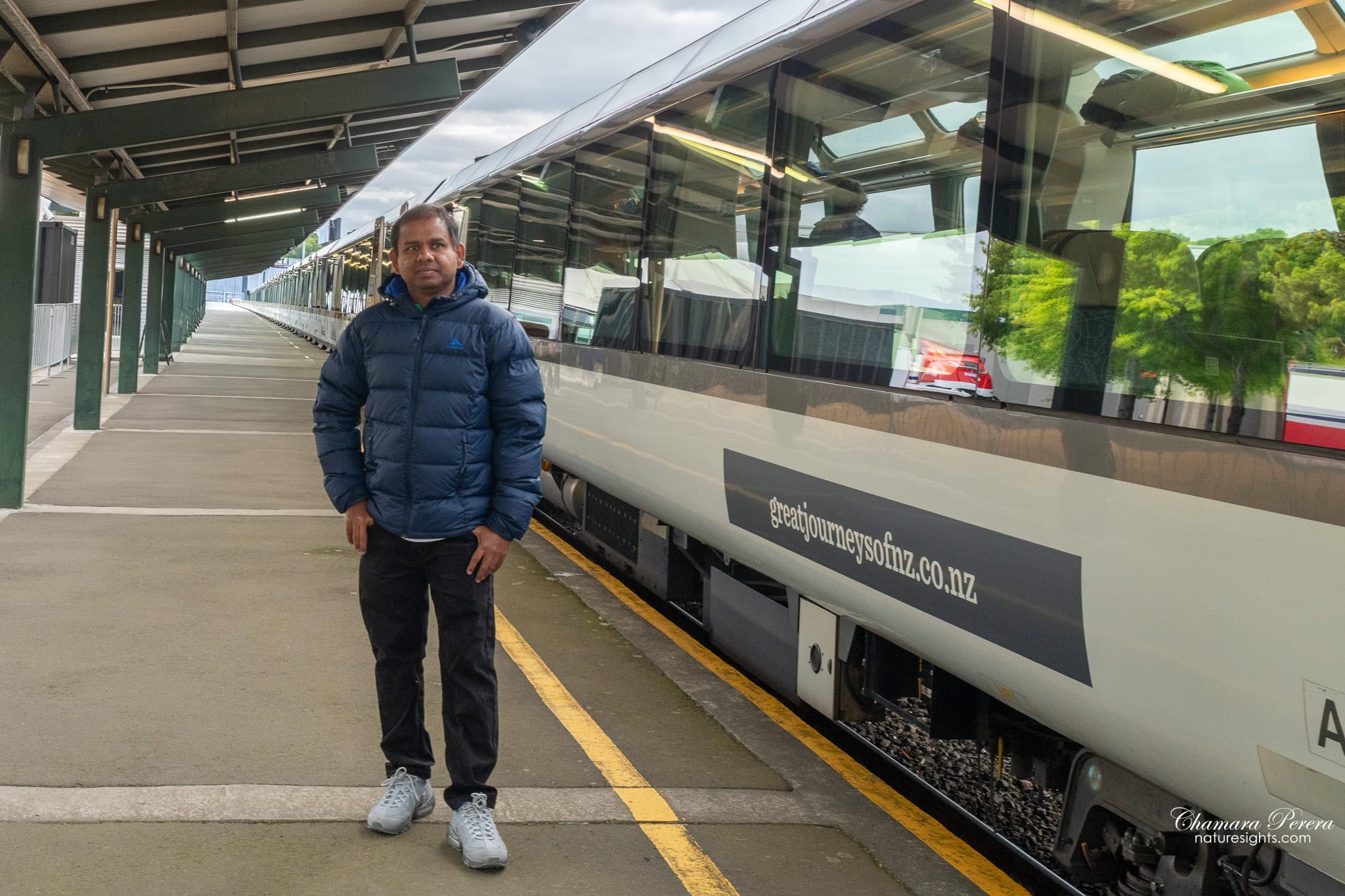
The TranzAlpine is a daily passenger train operated by Great Journeys New Zealand (part of KiwiRail) running between Christchurch on the east coast and Greymouth on the west coast of the South Island. The journey covers 223 kilometres in around 4 hours 30 minutes each way, crossing the Southern Alps through Arthur’s Pass.
What makes it remarkable is not just the distance — it is the sheer variety of landscapes you pass through. In a single journey you move from the flat Canterbury Plains through rolling foothills, into a deep river gorge, up over an alpine pass through tussock highlands, and then down into the lush West Coast. It is genuinely like watching New Zealand’s greatest natural highlights compressed into a single morning. The train runs once daily each direction, departing Christchurch at 8:15am and reaching Greymouth at 12:45pm.
The TranzAlpine Scenic Train: What You Will See and When
The Canterbury Plains — First Hour
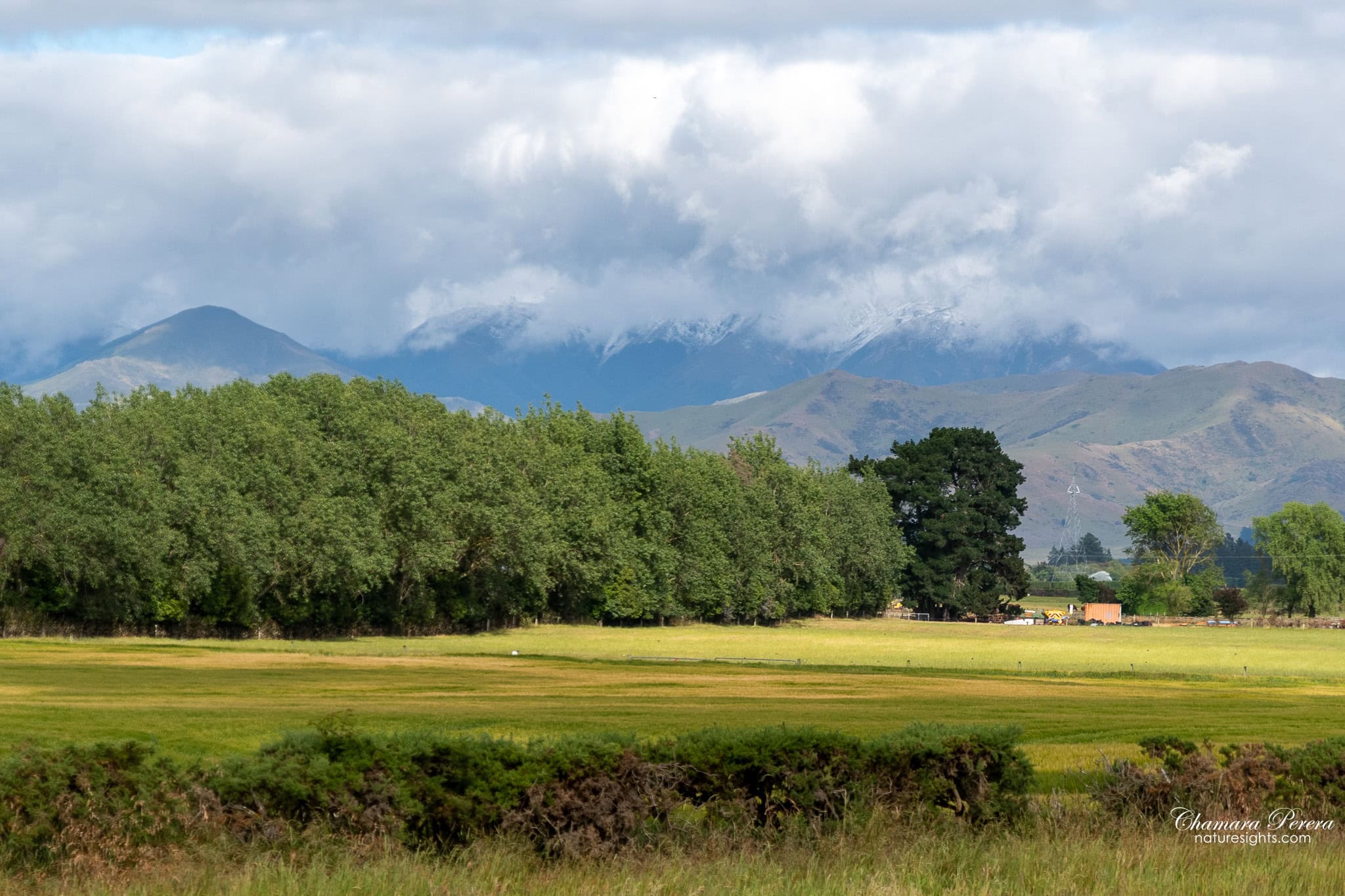
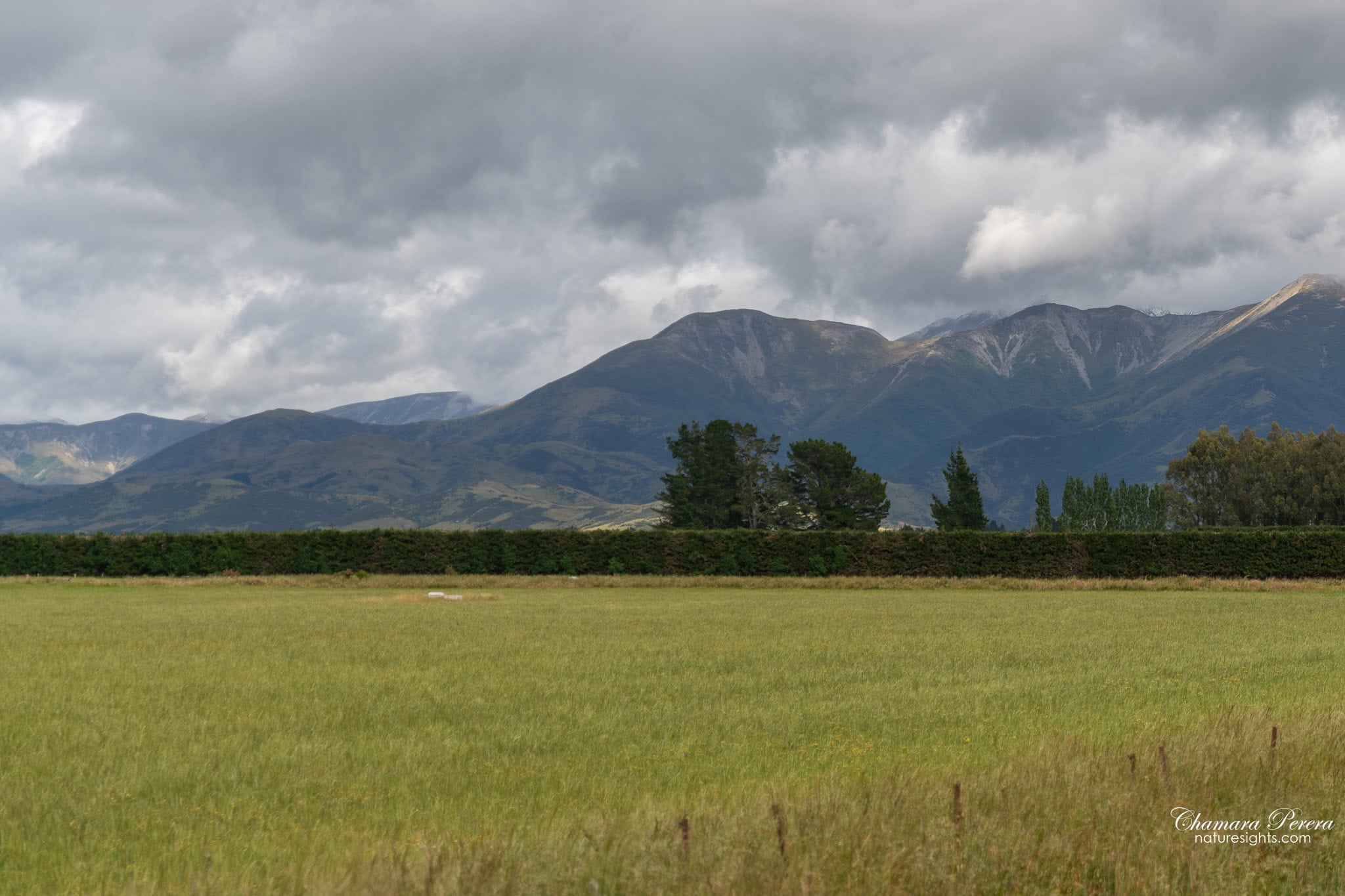
The train pulls out of Christchurch and moves through the city’s western suburbs before the landscape opens up into the Canterbury Plains. This is a vast, flat expanse of farmland with the Southern Alps rising in the distance like a wall. On a clear morning the light is beautiful here — soft and warm with long shadows across the paddocks. The scale is extraordinary: you have these enormous mountains sitting at the edge of the plain, and everything between you and them is so flat and green that it almost looks staged.
The train passes through Springfield as the terrain begins to lift. The hedgerows appear, rivers start to show themselves, and the mountains slowly get closer. This section is not the most dramatic part of the journey, but I found myself with my camera up the entire time.
The Waimakariri River and Gorge — The Highlight That Sneaks Up on You
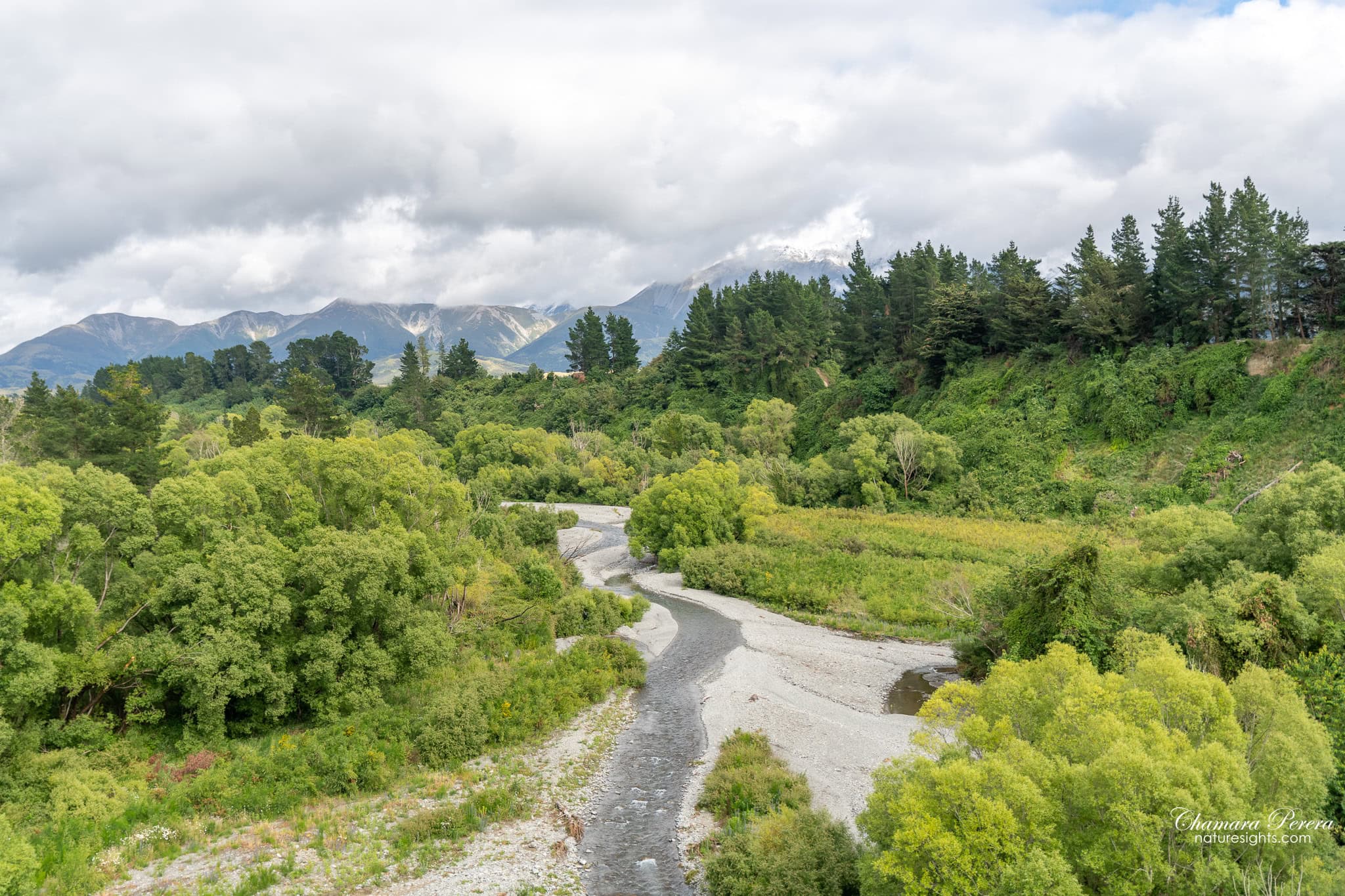
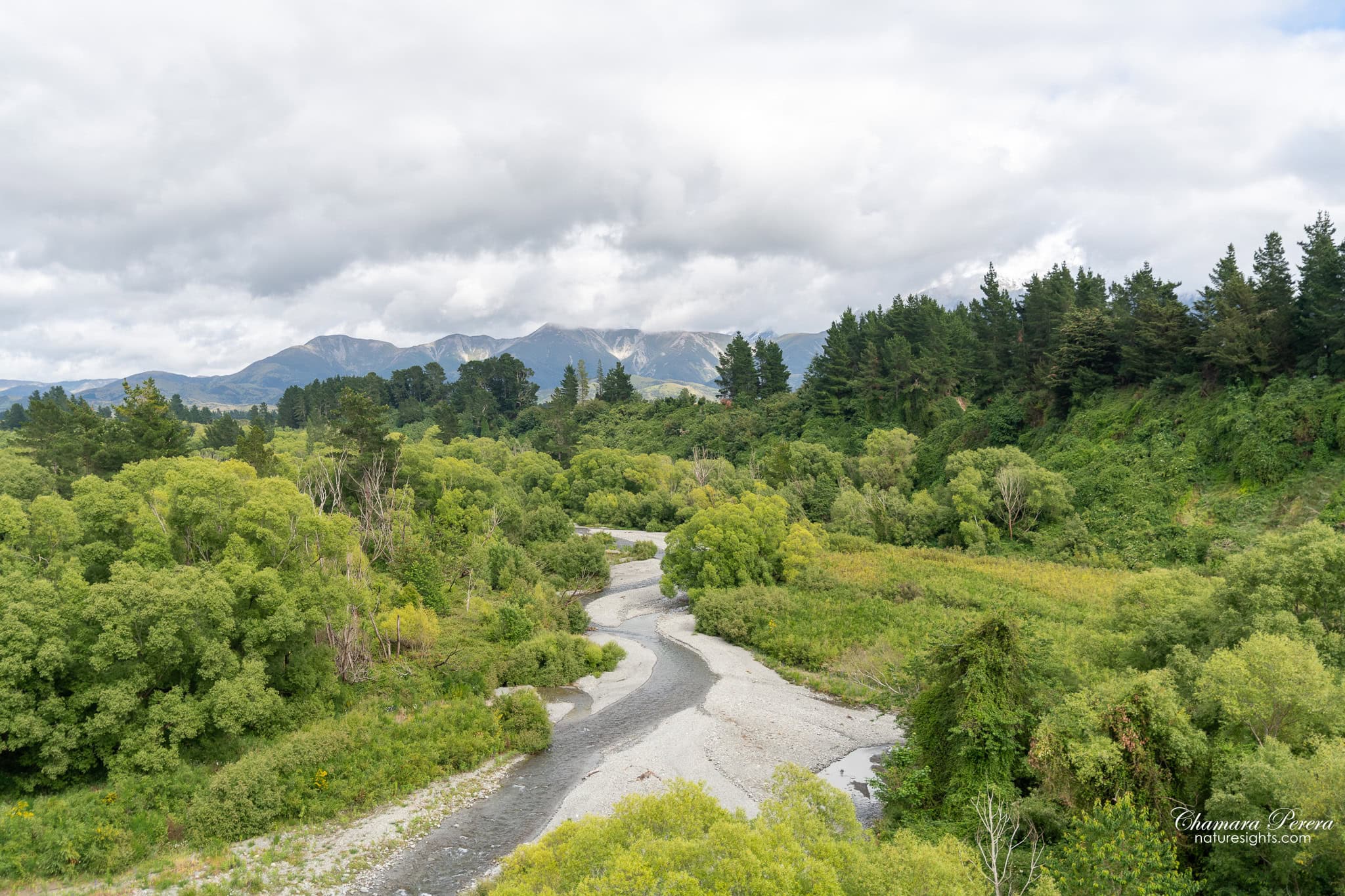
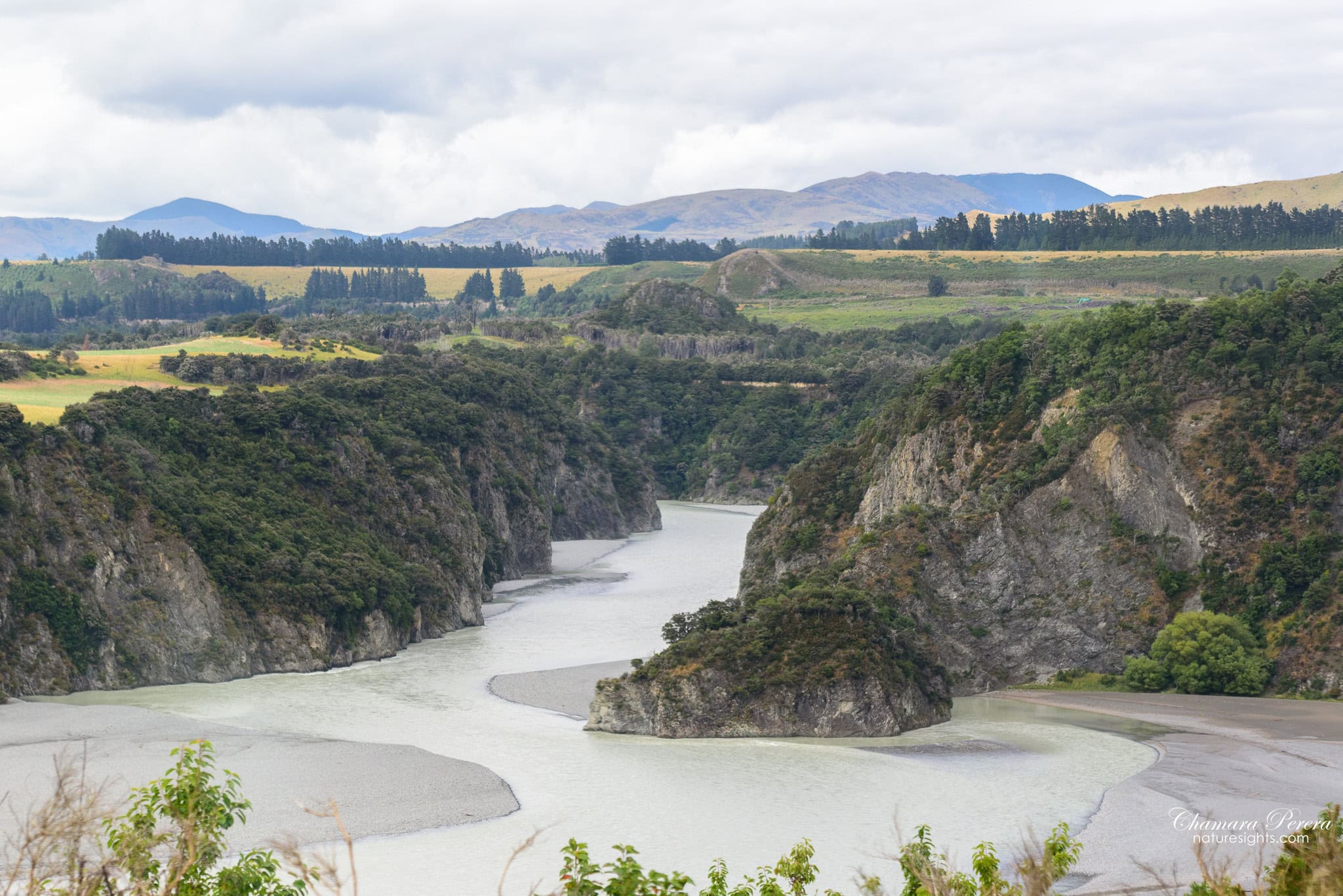
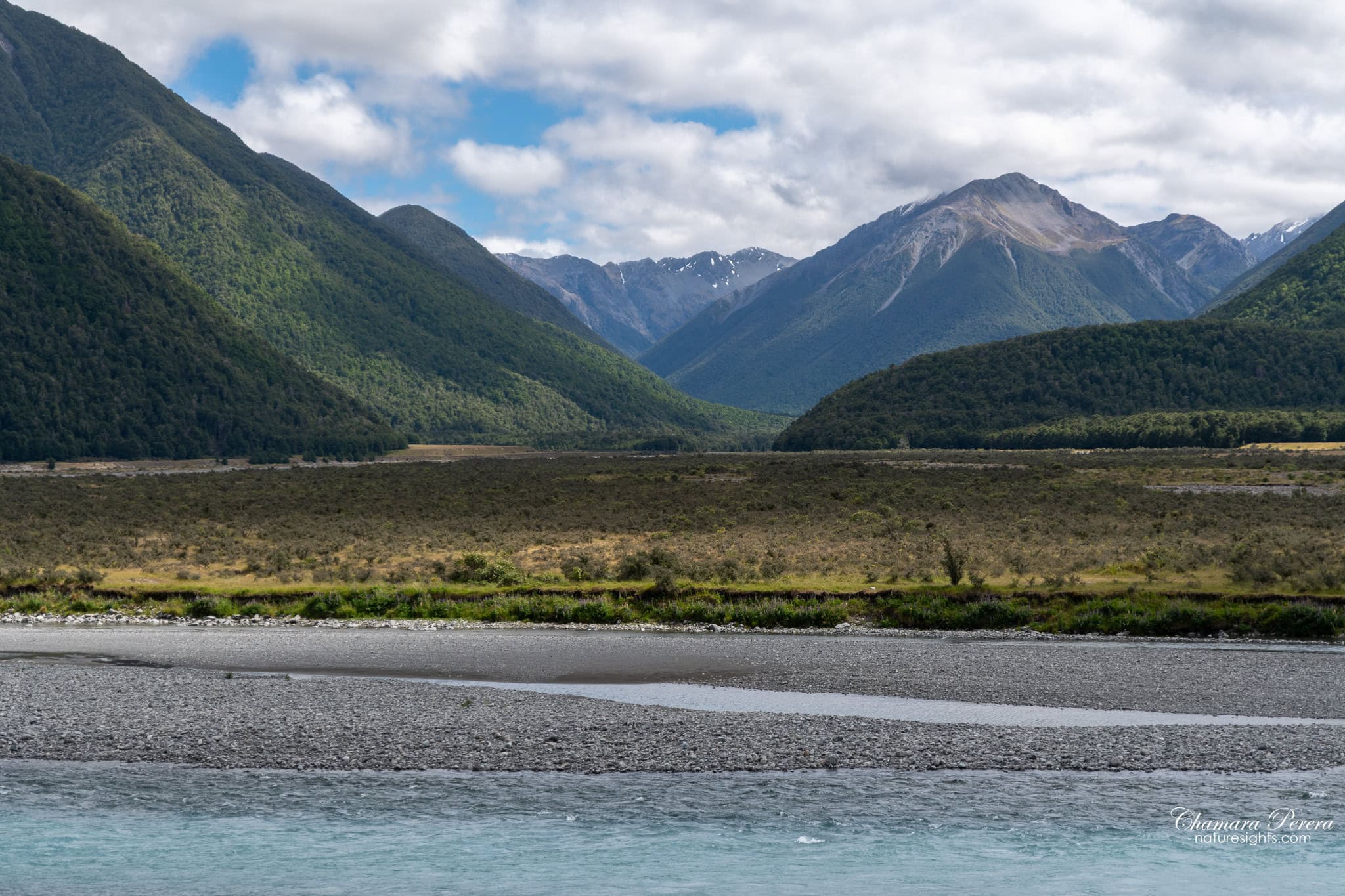
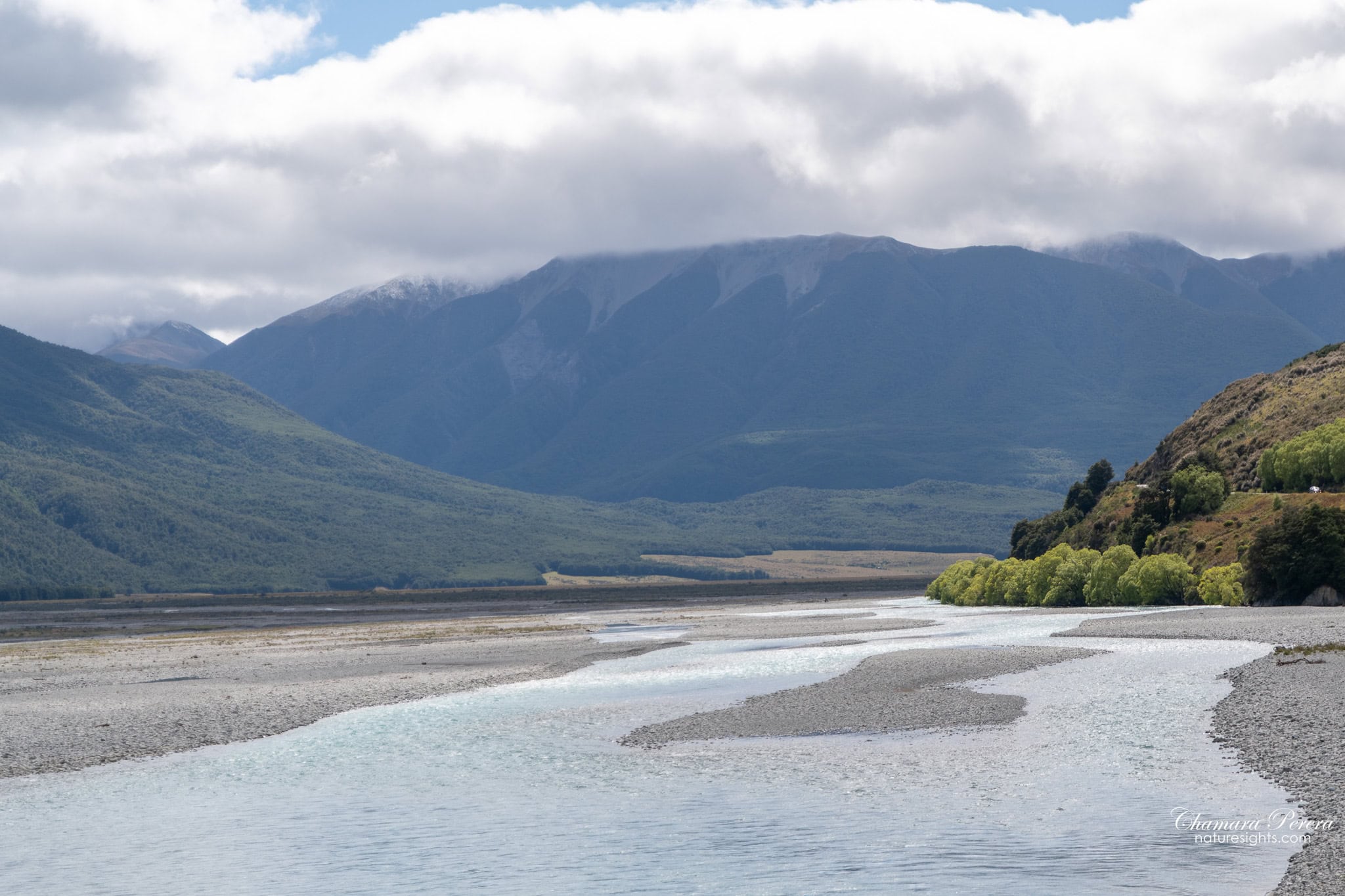
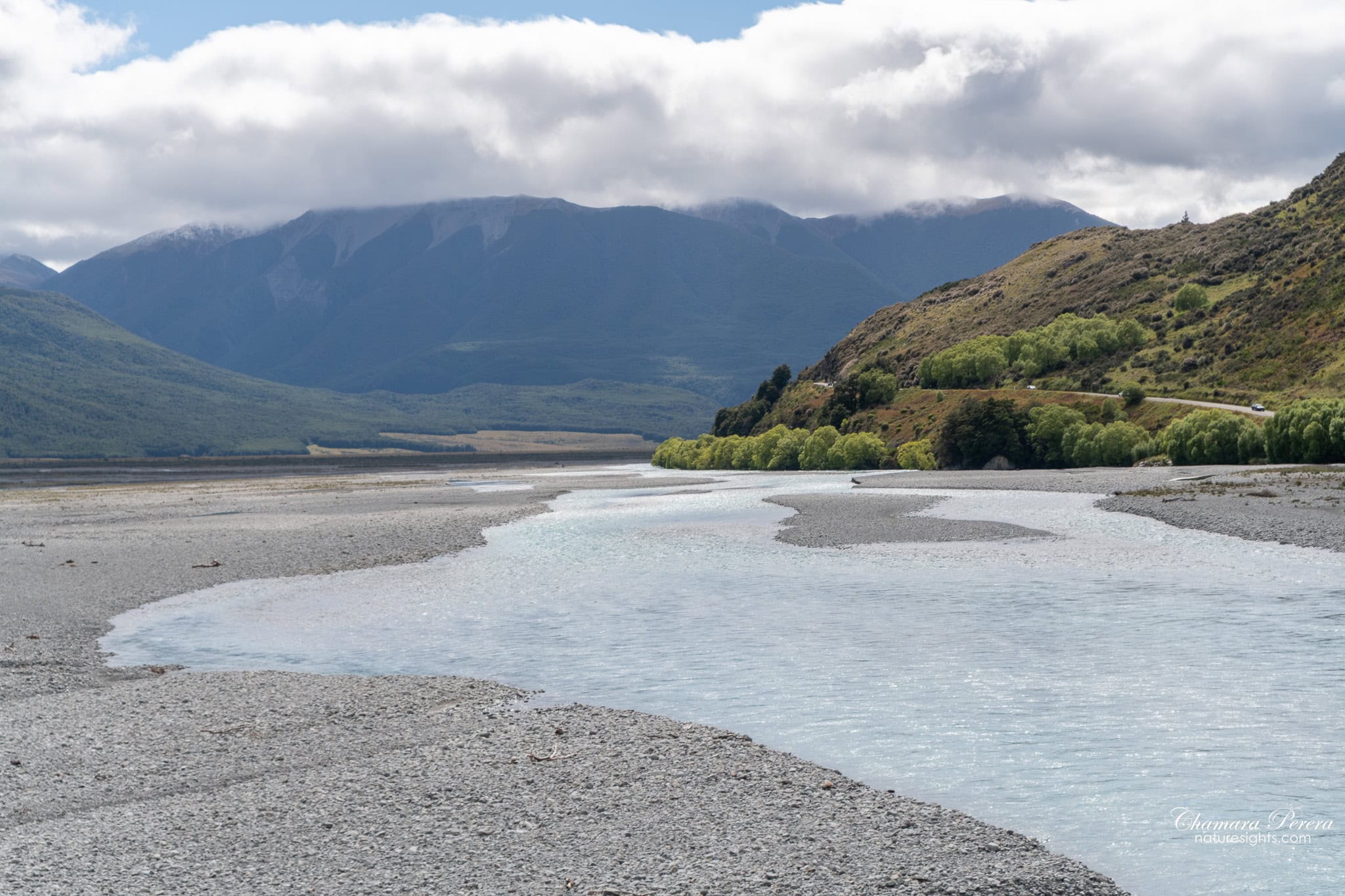
About 90 minutes in, the TranzAlpine enters the Waimakariri River country. First you see the river winding through native bush below — wide braided channels cutting through green valleys — and then the train enters the gorge itself. The river runs milky blue-green from glacial sediment, the walls close in from both sides, and the train crosses a series of viaducts high above the water giving you views straight down into the canyon.
The colour of the Waimakariri against the grey-green gorge walls is unlike anything I have seen on a train journey anywhere. This is the single most photographically rewarding section of the whole trip — the views come and go fast as you round each bend, so keep your camera ready and shoot a lot.
Arthur’s Pass — The Alpine Crossing
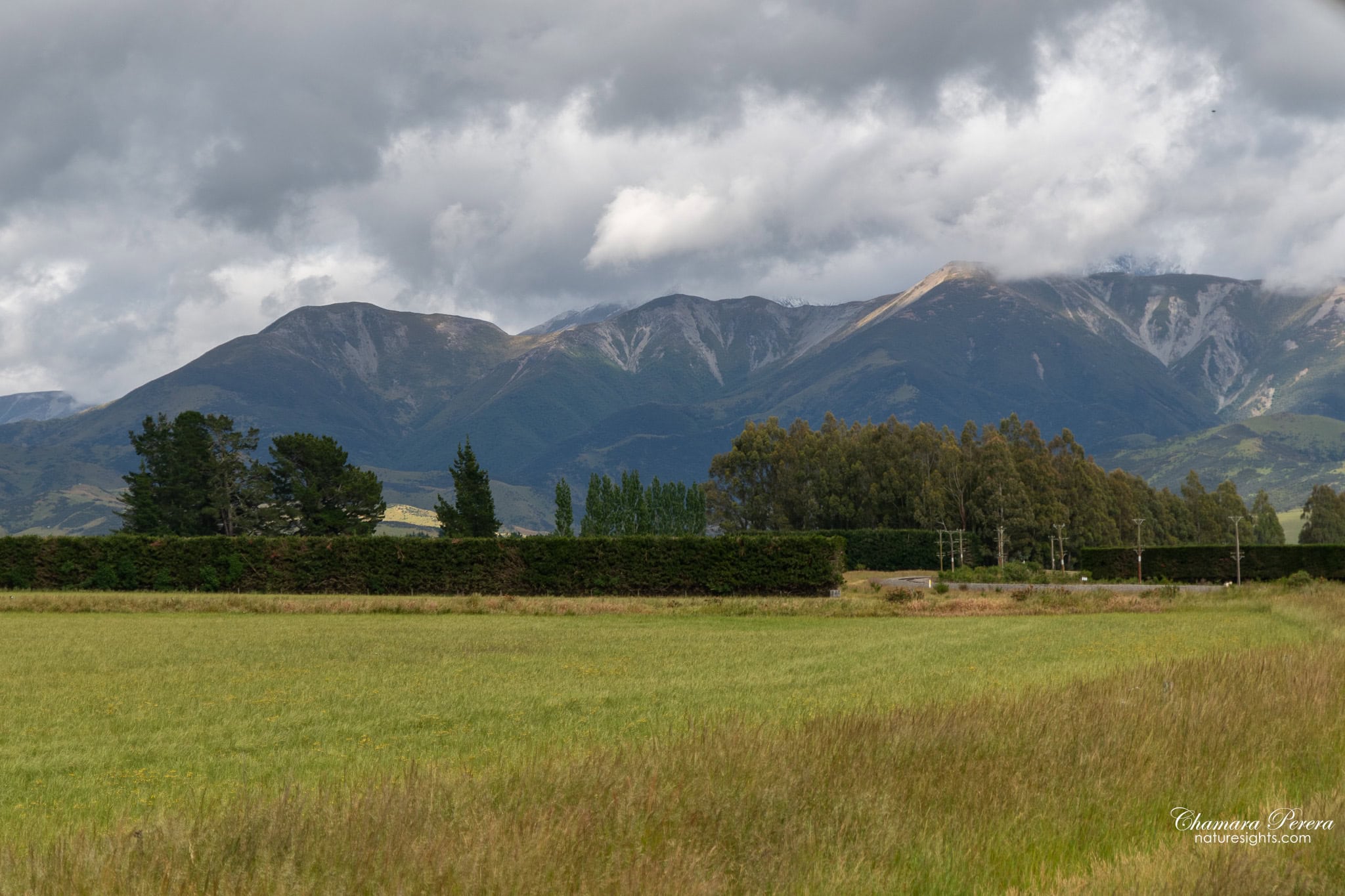
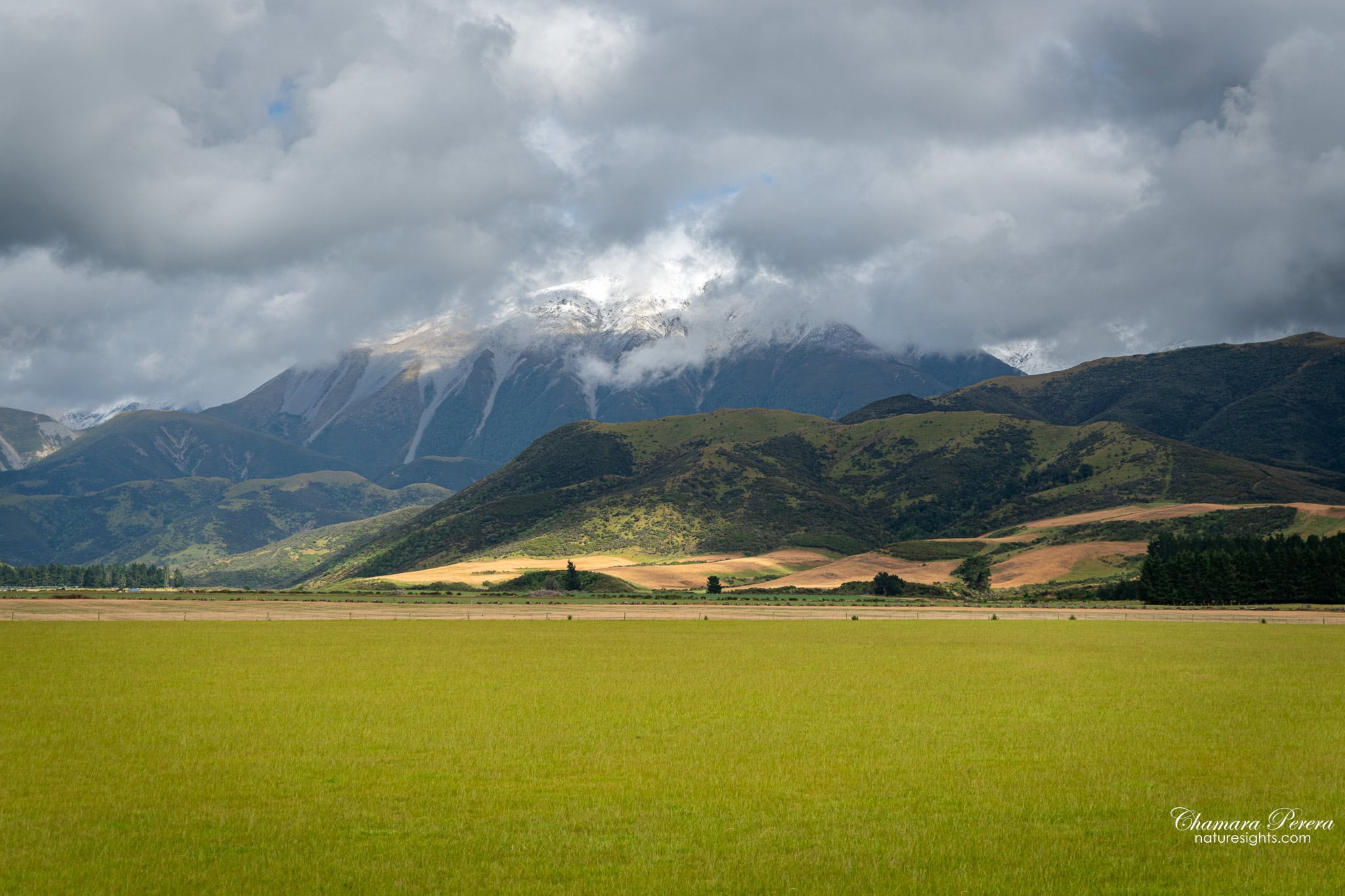
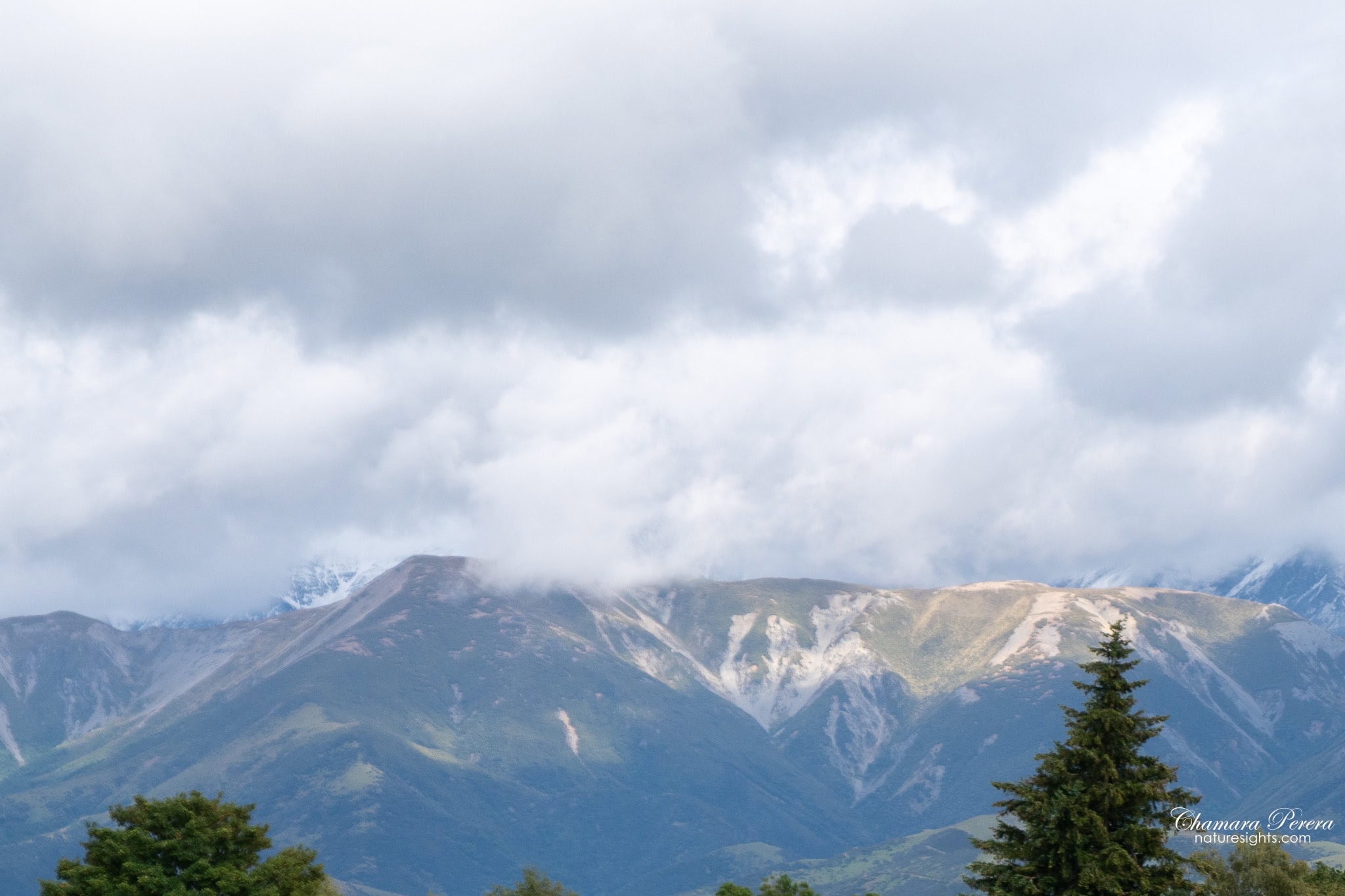
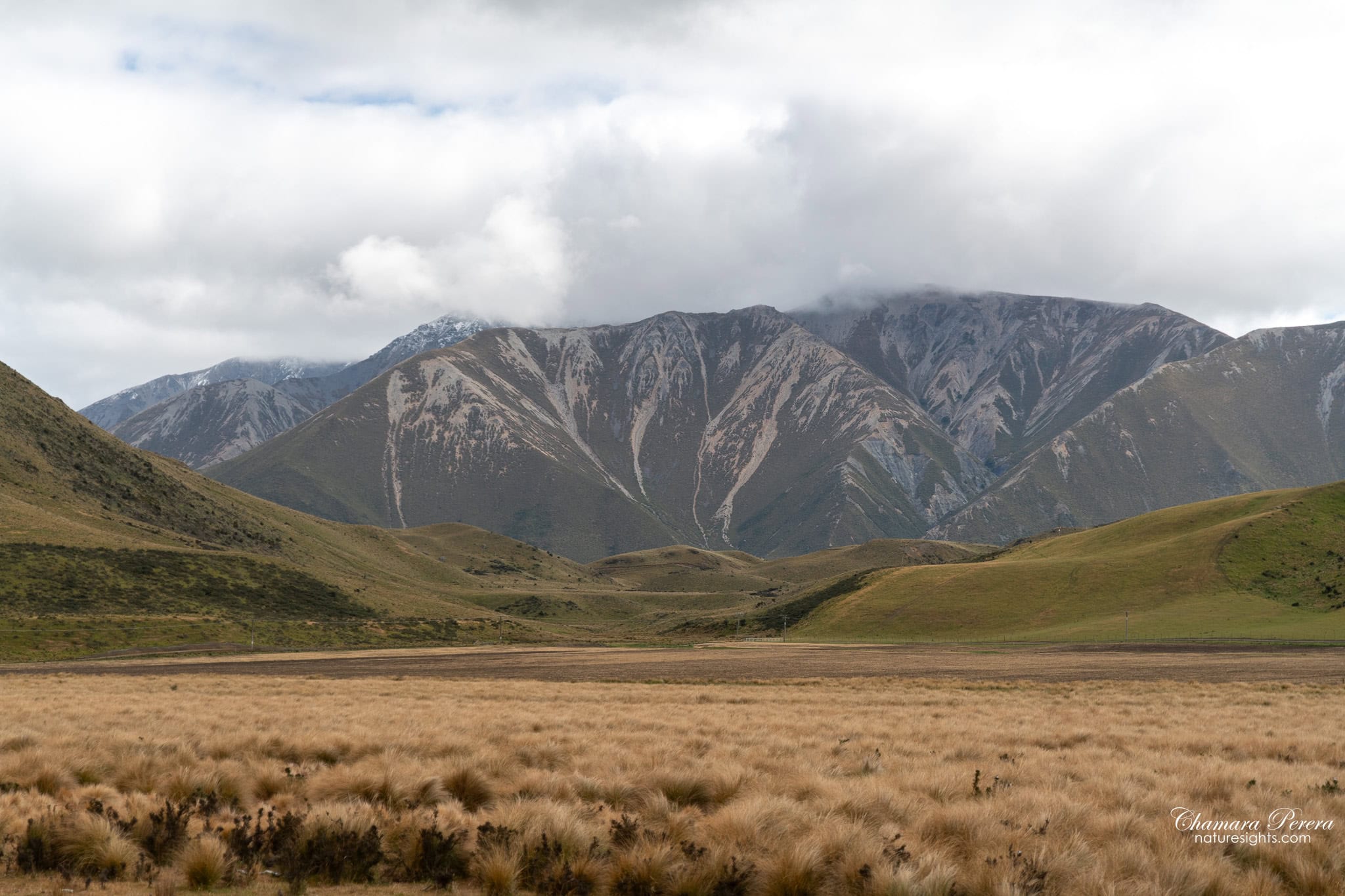
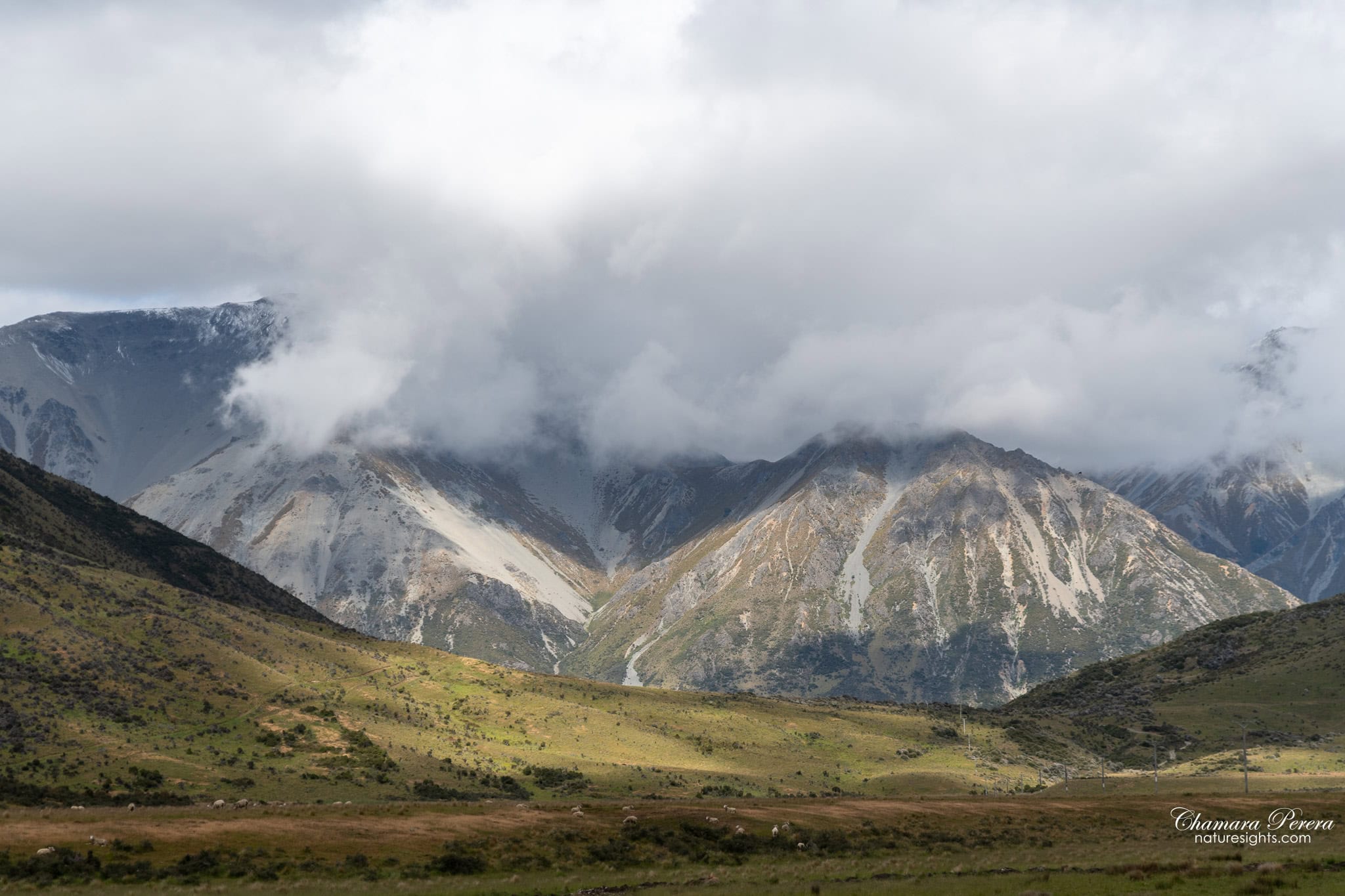
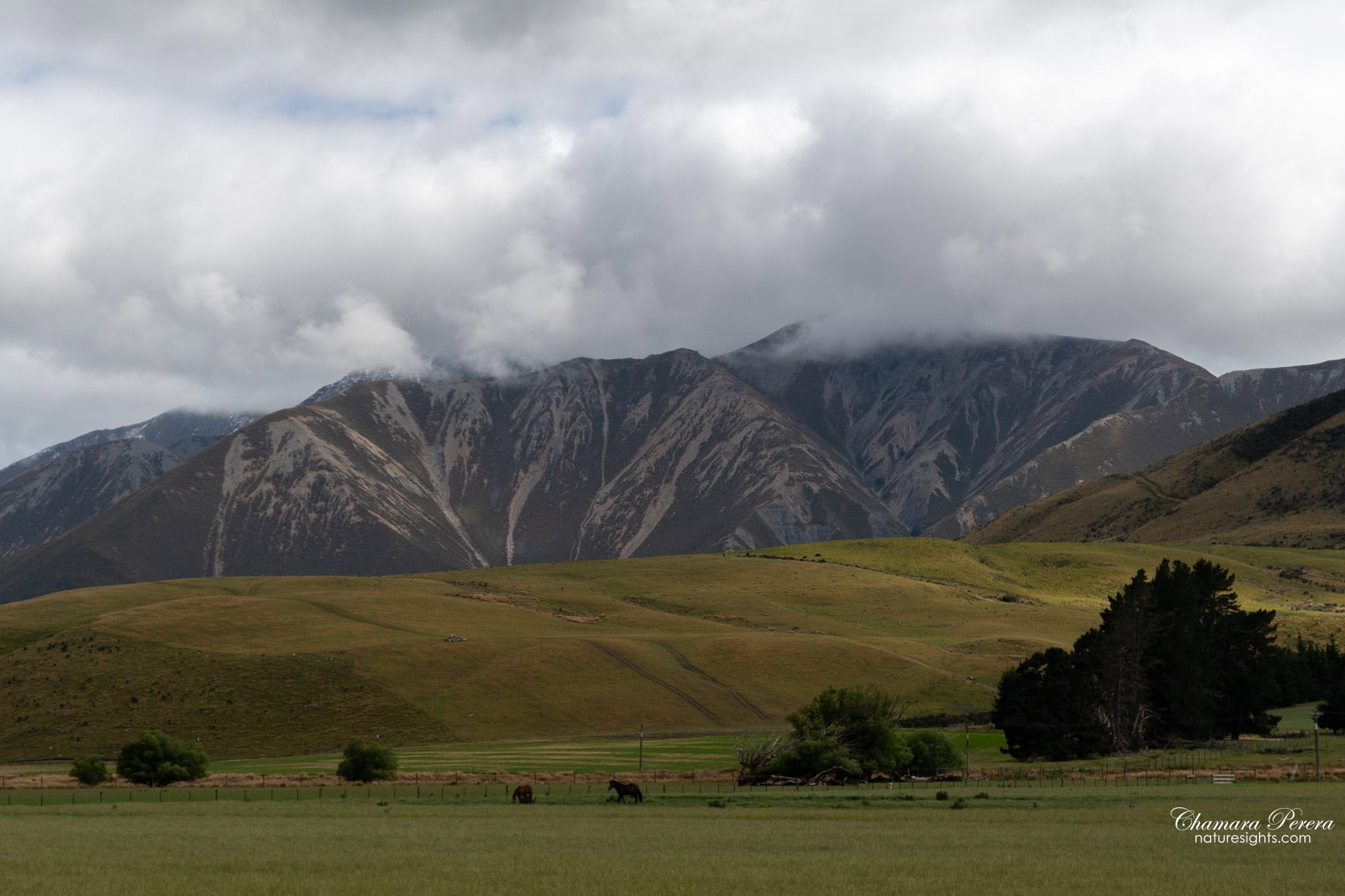
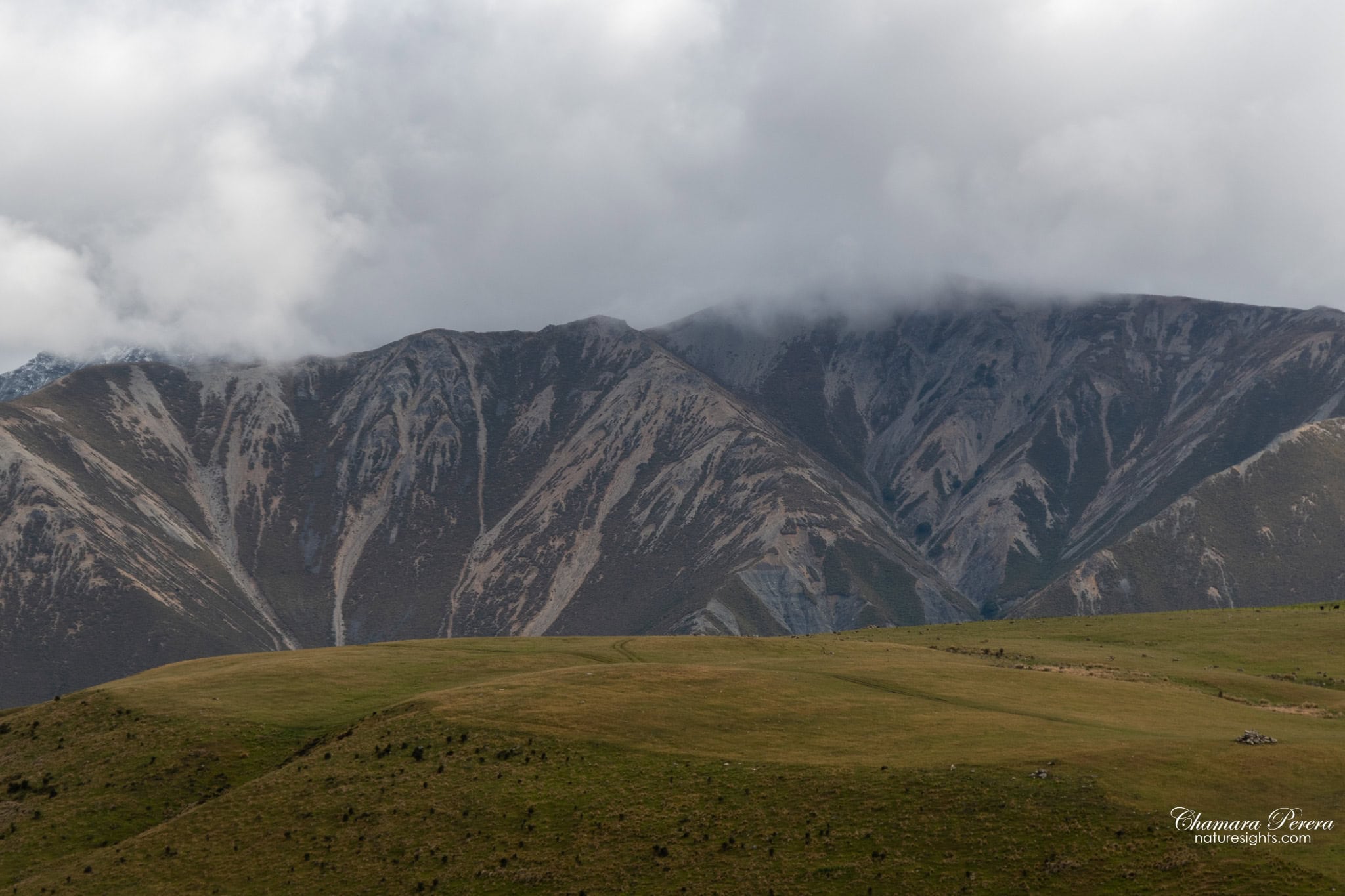
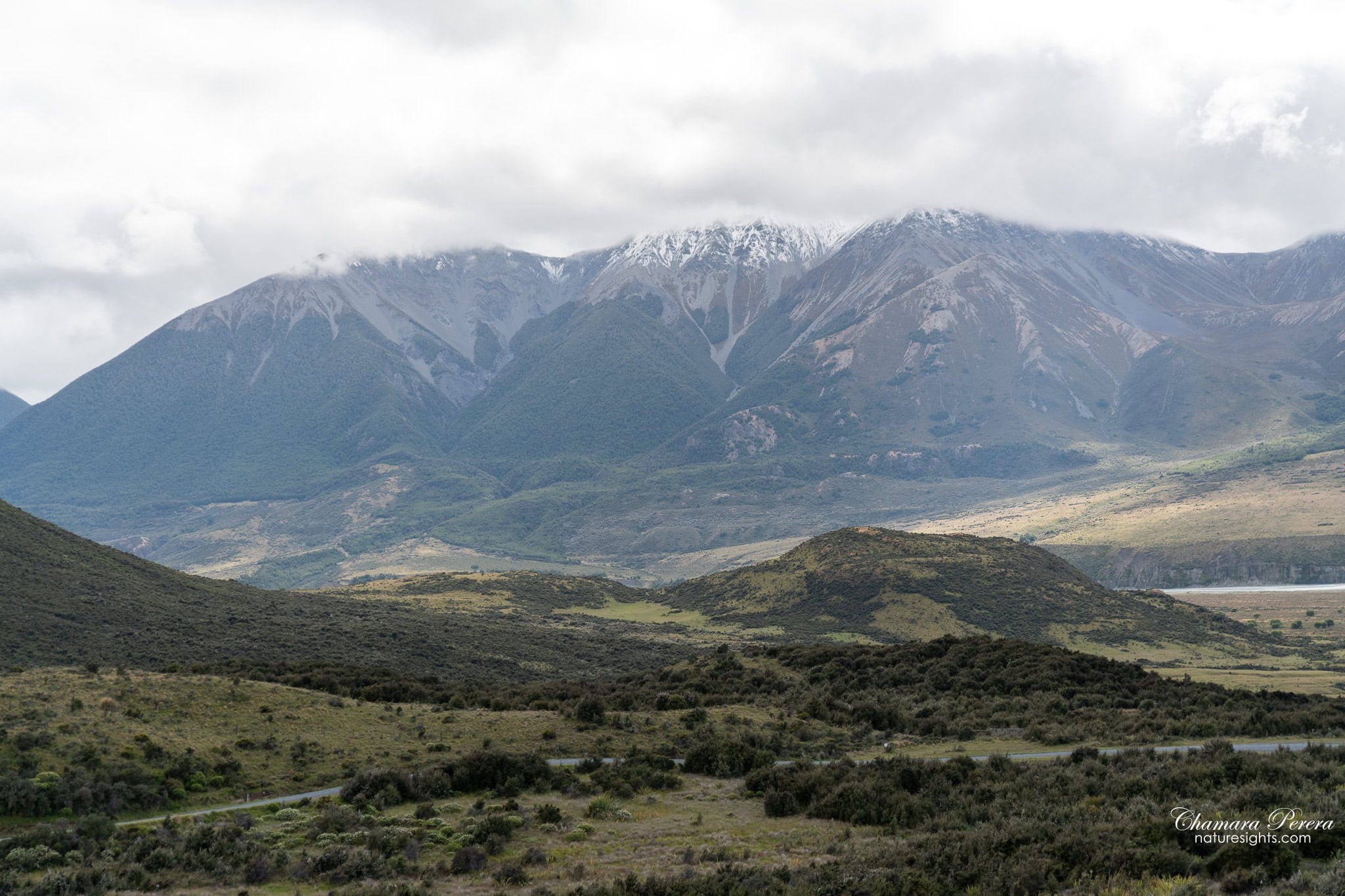
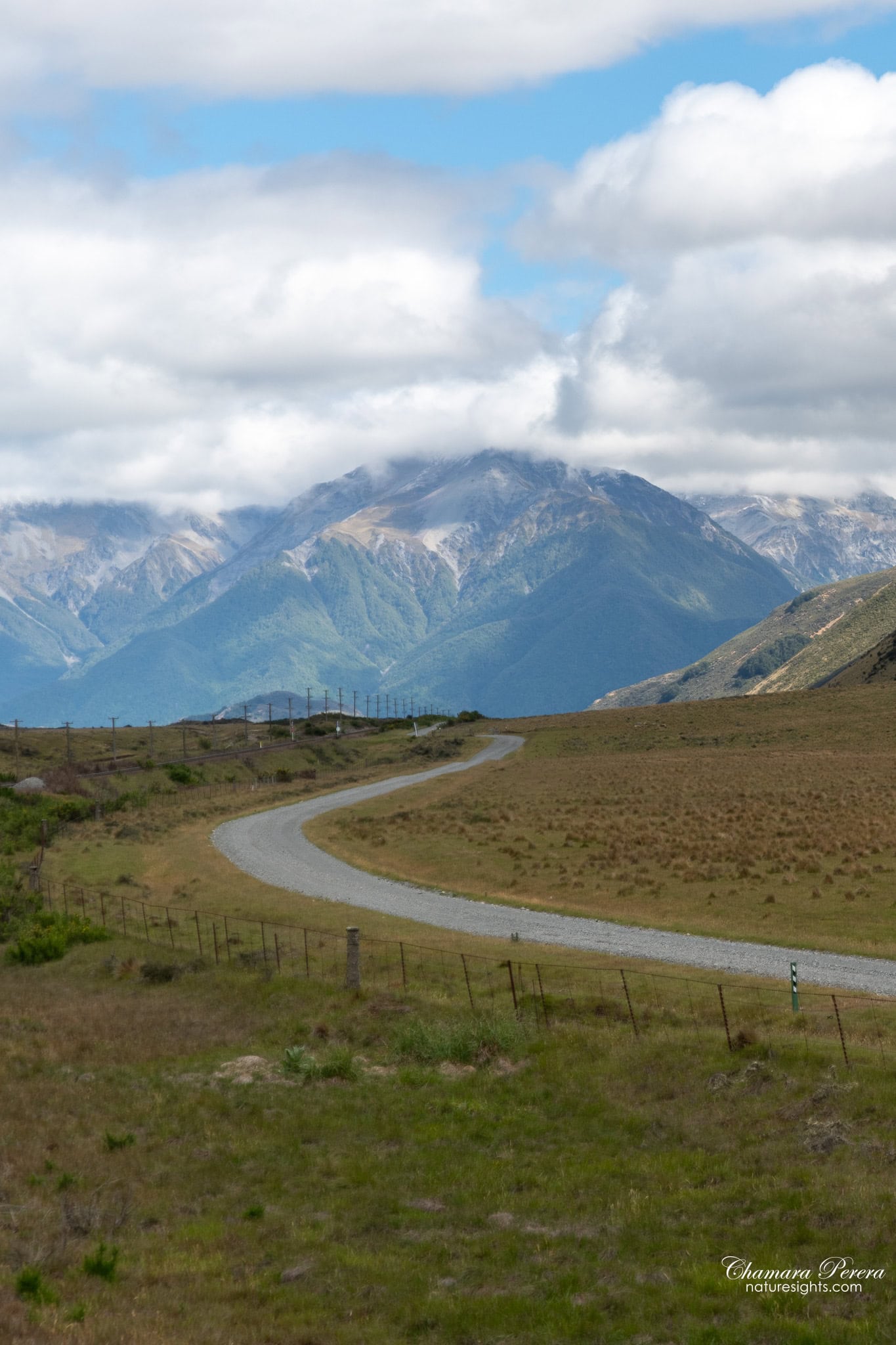
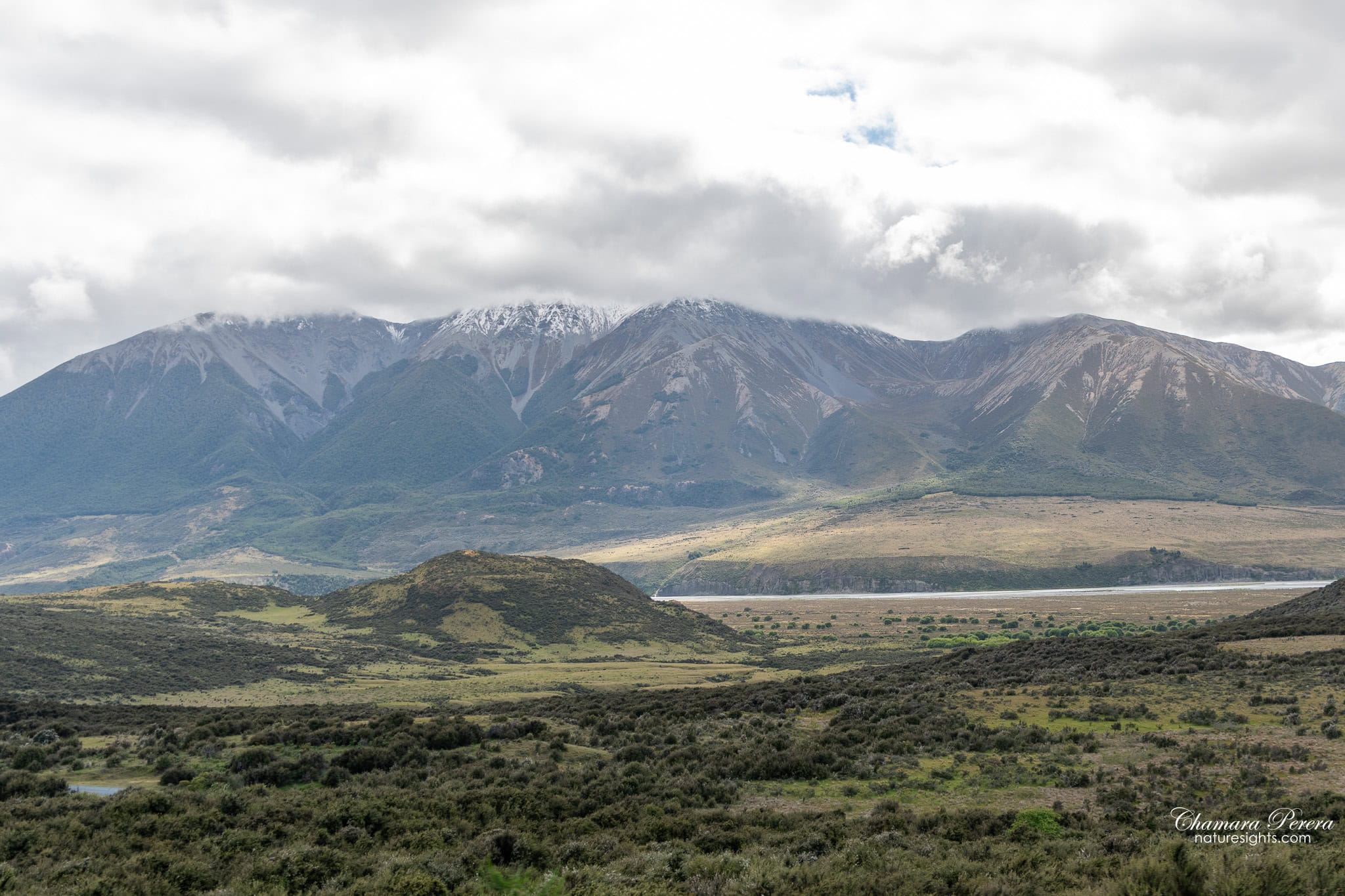
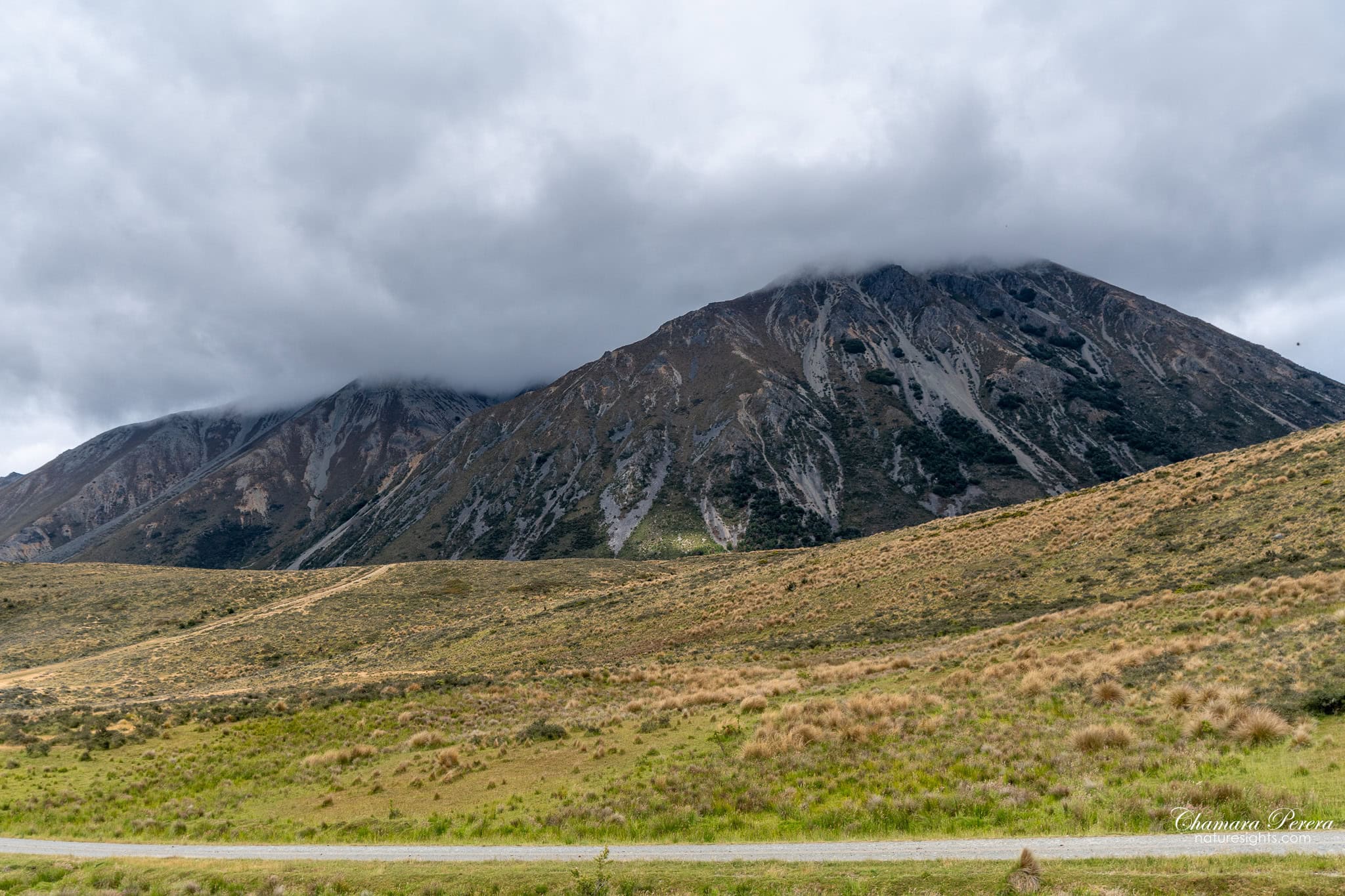
After the gorge, the train climbs steadily to Arthur’s Pass township at 737 metres above sea level. The vegetation thins out, the tussock takes over, and the Southern Alps close in from both sides. On the day I travelled, clouds were sitting halfway down the peaks, which actually produced more dramatic photos than full sunshine would have — the light breaking through cloud onto the bare rock faces was extraordinary.
The train stops briefly at Arthur’s Pass station — long enough to step off the platform, take a few quick shots, and breathe the mountain air. This is the highest point of the entire journey. Just past the village, the train enters the Otira Tunnel: 8.5 kilometres long and one of the longest rail tunnels in the Southern Hemisphere. You emerge on the other side into an entirely different New Zealand — greener, wetter, with dense beech forest on the hillsides and fast-flowing rivers in the valleys below.
The West Coast Descent — A Different New Zealand
The descent from Arthur’s Pass toward Greymouth is where the landscape shifts completely. The rivers on this side are vivid turquoise, braided across wide gravel beds with mountains rising sharply on both sides. The vegetation is denser, everything is greener, and the whole feeling of the place is wetter and wilder than the east coast side.
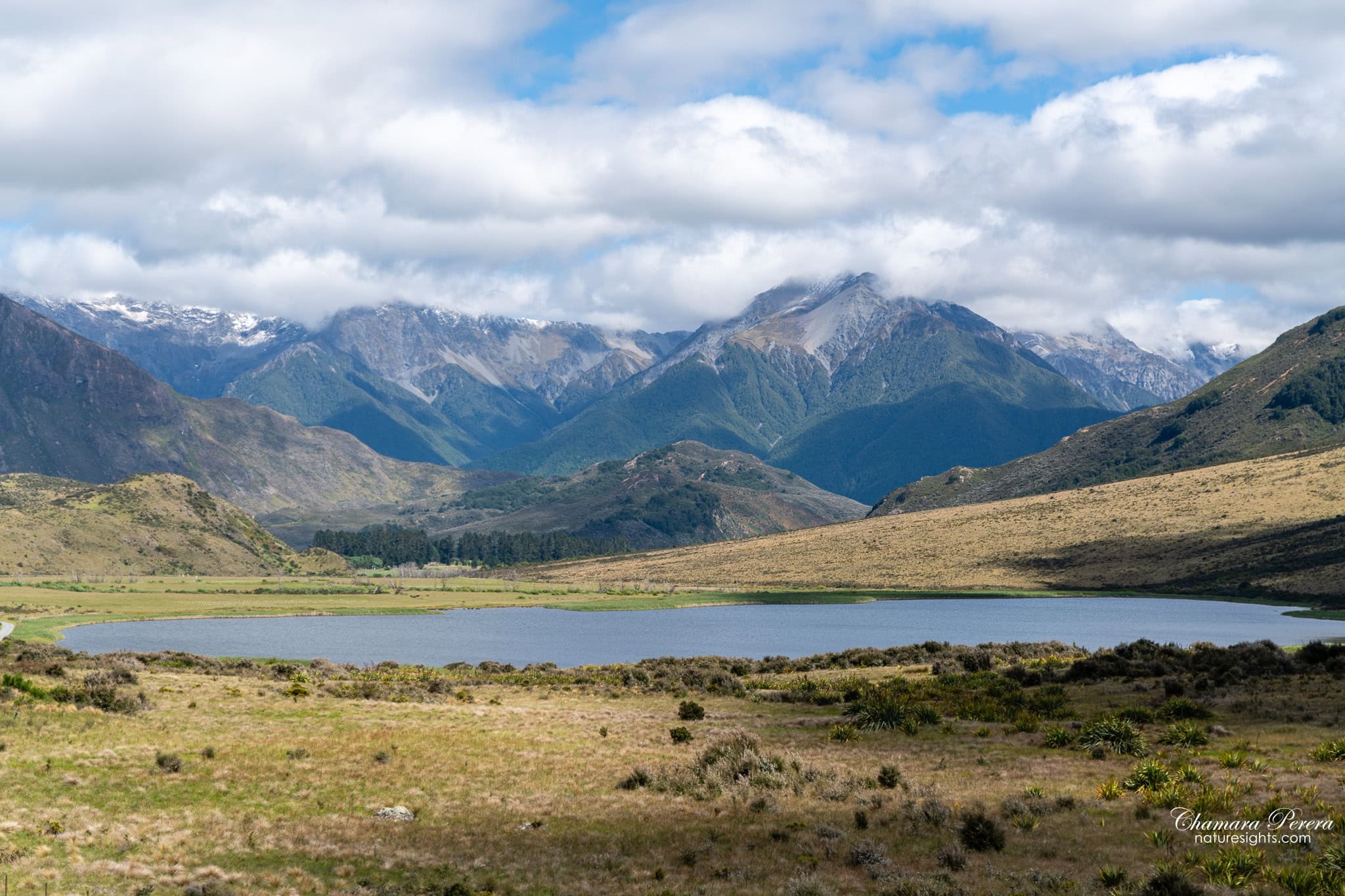
The braided rivers here were some of my favourite subjects of the whole day. The combination of glacial blue water, grey river stones, and snow-dusted peaks in the background gives you that quintessential South Island landscape composition. I was still shooting when the train pulled into Greymouth, wanting one more frame.
Photography Tips from My TranzAlpine Journey
The TranzAlpine is essentially a moving photography platform. A few things that made a real difference for me:
- Sit on the right side heading to Greymouth (left side on the return to Christchurch). This gives you the best angles on the Waimakariri Gorge and the Southern Alps on the climb. Both sides have good views, but the right side westbound is the better call.
- Use the open-air observation carriage. Every class has access to this at the rear of the train — it is an open deck with no glass, just a railing and mountain air. This is the best place to photograph on the whole journey. Get there early before the gorge section.
- Shoot in RAW. The light changes constantly — one minute you are in shadow under the gorge walls, the next there is sunlight breaking through cloud onto a river bend. RAW gives you the dynamic range to handle it.
- Fast shutter in the gorge. At cruising speed, 1/500s handles most scenery comfortably. In the tight gorge curves I went to 1/1000s for sharp foreground rock detail.
- Shoot a lot through the gorge. The best views come and go in seconds. I shot in aperture priority mode throughout — it handles the shifting light well as you move between open plains and the shadowed gorge walls.
How to Book TranzAlpine Tickets
Tickets are sold through the Great Journeys New Zealand website. There are two classes available:
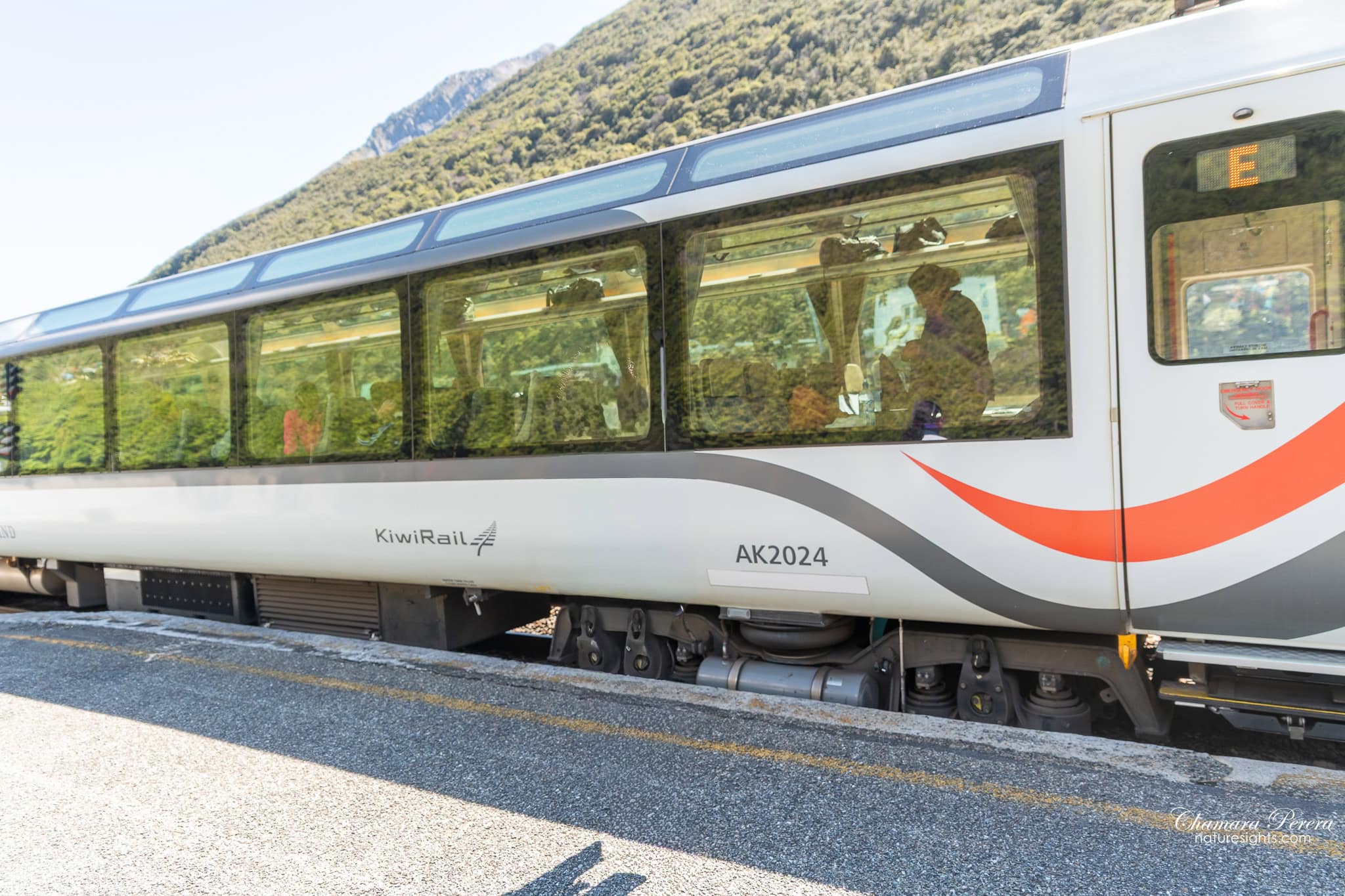
- Scenic class — comfortable seats with large panoramic windows, access to the open observation carriage, and the onboard cafe car. This is what I travelled in and it was excellent.
- Premium class — wider seats with more legroom and guaranteed window seating on the preferred side.
Check current ticket prices on the Great Journeys New Zealand website. Group bookings qualify for a discount — check the booking page for current group rates. Book as far ahead as you can in summer (December–February) — the train sells out, particularly on weekends and during the holiday period.
The train departs Christchurch at 8:15am and arrives Greymouth at 12:45pm. The return departs Greymouth at 1:45pm, reaching Christchurch at 6:05pm — which allows a comfortable day return with time for lunch in Greymouth. My personal recommendation is to book one way and explore the West Coast before looping back to Christchurch via the highway for a proper South Island circuit.
Best Time to Travel the TranzAlpine
The TranzAlpine runs every day of the year, so the question is really about conditions rather than access.
- Summer (December–February) — best chance of clear skies and long days. Busiest season. Snow on the peaks is less guaranteed at lower elevations but the high alpine country usually holds some.
- Autumn (March–May) — arguably the best time for photography. Tussock turns golden, crowds drop off, and the directional light is excellent. This is when I would go back.
- Winter (June–August) — snow can come right down to the valley floor, completely transforming the landscape. The observation carriage is genuinely cold at altitude, but the views are worth it. Bring serious layers.
- Spring (September–November) — waterfalls at full flow from snowmelt, vivid green West Coast bush. Variable weather but some spectacular dramatic skies.
Where to Stay Near the TranzAlpine Route
For a day return, Christchurch is the natural base — there is a wide range of accommodation across the city centre. I stayed in the CBD and walked to the station, which took about 10 minutes.
If you plan to spend time on the West Coast, Greymouth has motels and guesthouses, though most travellers use it as a staging point rather than a destination. North of Greymouth, Punakaiki (Pancake Rocks) is well worth an overnight stop. Arthur’s Pass village itself has a small selection of lodges and a YHA hostel — a good option if you want to day-walk the alpine environment around the pass before or after the train.
Practical Tips
- The onboard cafe car serves hot food, pies, sandwiches, New Zealand coffee, tea, cold drinks and snacks throughout the journey. Having a flat white somewhere in the Waimakariri Gorge is an experience I would recommend to anyone.
- Luggage — standard bags are permitted. Overhead racks and end-of-carriage storage are available throughout the train.
- The observation carriage fills up at the best viewpoints. Get positioned there before the gorge begins rather than trying to push through once you are in it.
- Motion sickness — the journey is generally smooth, but the gorge section has tight curves. Take precautions before boarding if you are susceptible.
- Bikes can be transported as checked luggage with advance notice. Dogs are not permitted on board.
- Duration planning — 4.5 hours is a good stretch. Bring a book or downloaded content for the quieter Canterbury Plains sections, and save your full attention for the gorge and alpine crossing.
TranzAlpine Train FAQs
How long is the TranzAlpine train ride?
The TranzAlpine takes 4 hours 30 minutes one way, covering 223 kilometres between Christchurch and Greymouth. The train departs Christchurch at 8:15am and arrives Greymouth at 12:45pm. The return service departs Greymouth at 1:45pm and reaches Christchurch at 6:05pm — which makes a comfortable day return possible with time for lunch in Greymouth before heading back.
What is the most scenic train ride in New Zealand?
The TranzAlpine is widely considered New Zealand’s most scenic train journey. It crosses the Southern Alps between Christchurch and Greymouth, passing through the Canterbury Plains, the Waimakariri Gorge, Arthur’s Pass alpine village, and the lush West Coast — an extraordinary range of landscapes in 4.5 hours. The Coastal Pacific (Picton to Christchurch) is also scenic, but the TranzAlpine covers more dramatic and varied terrain.
How much is the train ride from Christchurch to Greymouth?
Ticket prices vary with availability and how far in advance you book — booking early generally gets you a better fare. Scenic and Premium class are available at different price points. There is no fixed return fare; you book each direction separately. Check current prices on the Great Journeys New Zealand website.
Is food available on the TranzAlpine?
Yes. The TranzAlpine has an onboard cafe car serving hot food, pies, sandwiches, coffee, tea, cold drinks and snacks throughout the journey. You can also bring your own food and drinks on board. I would suggest doing both: grab something from the cafe for the experience, and bring your own snacks for the longer sections.
How much does the Alpine Express cost?
The TranzAlpine (sometimes referred to informally as the Alpine Express) is priced by class and availability. Prices increase closer to the travel date, so booking early secures the best fares. In peak summer season (December–February) the train sells out regularly, particularly on weekends, so booking several weeks ahead is recommended. Check current fares on the Great Journeys New Zealand website.
Do I need to book the TranzAlpine in advance?
Yes, advance booking is strongly recommended. In peak summer season the train sells out on popular dates, especially weekends and the Christmas–New Year period. I would suggest booking at least 3–4 weeks ahead for summer travel. Outside of peak times, last-minute availability is more common, but early booking also gets you better fares and your preferred seat side. All bookings are made online through the Great Journeys New Zealand website.
Final Thoughts
If you are visiting New Zealand’s South Island, do not skip the TranzAlpine. It is one of those rare travel experiences that actually delivers on its reputation — the landscape shifts so dramatically over the course of the journey that it feels like a geography lesson and a photography workshop rolled into one comfortable train seat.
I would recommend it as a day trip from Christchurch if you are short on time, or as the first leg of a longer West Coast road trip if you have more days available. Either way: sit on the right-hand side heading west, get to that observation carriage before the gorge begins, and have your camera ready before you think you need it.
Ready to explore more of New Zealand’s South Island? My complete New Zealand travel guide covers the best wildlife spots, photography locations, and South Island itineraries — everything you need to plan your next trip.
